5 Reasons You Wake Up with Irritated Dry Eyes

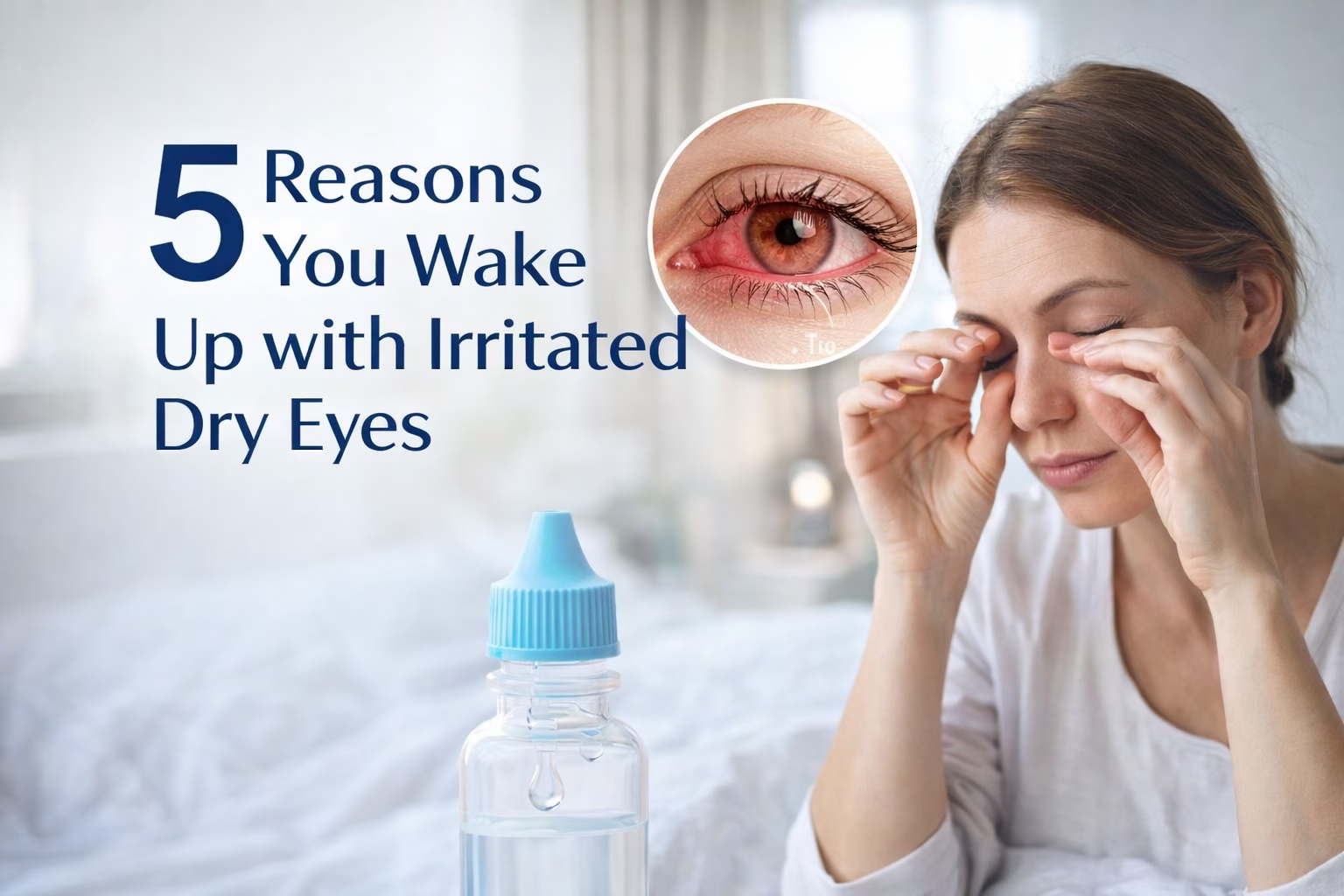
There’s nothing worse than opening your eyes in the morning and feeling scratchy, irritated, or just plain uncomfortable. If this happens to you regularly, you might be wondering why your eyes feel so dry first thing in the morning. The truth is, there are a few common reasons – and most of them are manageable once you understand the causes.
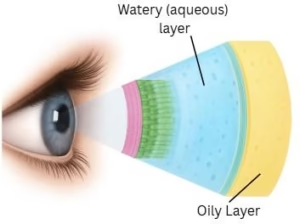
To make sense of morning dry eye, it helps to know a little about how your tears work. Your tear film isn’t just water – it’s made up of three layers that work together to keep your eyes comfortable. The watery layer provides moisture, while the outer oily layer, produced by the meibomian glands in your eyelids, helps slow evaporation and keeps tears from drying out too quickly. When these glands aren’t working properly, tears evaporate faster, leaving your eyes feeling dry and irritated.
While you sleep, this system doesn’t function as efficiently. Your eyes aren’t actively blinking, and blinking is what spreads the tear film evenly across the surface of your eyes. Even though your tear glands continue to produce some moisture overnight, it’s reduced compared to daytime levels.
Without regular blinking and with less oil being distributed from the meibomian glands, the tear film becomes unstable and can evaporate more easily.
Add in factors like dry bedroom air, allergies, or eyelids that don’t fully close during sleep, and it becomes clear why so many people wake up with dry, uncomfortable eyes in the morning.
Here are five of the most common factors that contribute to waking up with dry eyes:
Sleeping in a dry environment – such as a room with heating, air conditioning, or naturally low humidity – can draw moisture from your eyes overnight. Allergens like dust, pollen, or pet dander in your bedroom can also irritate your eyes while you sleep, worsening dryness by morning. Using a bedroom humidifier, washing bedding frequently, and keeping windows closed, may help reduce irritation. Over the counter or prescription allergy treatments can also help manage symptoms.
As we age, tear production naturally decreases, making dry eyes more common, especially in the morning. Hormonal changes, particularly during menopause, pregnancy, or while using hormonal medications, can also affect tear quantity and quality. These changes can make it harder for your eyes to stay properly lubricated overnight.
Some people don’t fully close their eyelids at night, a condition called nocturnal lagophthalmos. When your eyes aren’t completely covered, tears evaporate more quickly, leaving your eyes dry and uncomfortable by morning. Lubricating eye drops before bed can help protect your eyes overnight.
Even if your eyes are producing tears, they might not be the right type or amount. Poor tear quality, often caused by meibomian gland dysfunction, is a common reason for morning dryness. These glands produce the oily layer of your tear film, which helps prevent evaporation. When they aren’t working properly, your tears can disappear too quickly, leaving your eyes dry and gritty.
Certain medications, such as antihistamines, antidepressants, or blood pressure medicines, can reduce tear production. Chronic dry eye can also be linked to autoimmune conditions like Sjögren’s syndrome. If your dry eye symptoms are sudden, worsening, or unusual, it’s a good idea to see an eye doctor to rule out underlying issues.
There are a variety of ways to manage morning dry eyes, including simple at-home steps and professional treatments. Combining both approaches often provides the best results.
Targets inflammation and improvesmeibomian gland function to restore a healthy tear film.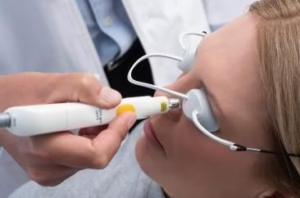
A gentle heat treatment that warms the eyelids to unclog meibomian glands and stimulate tear production.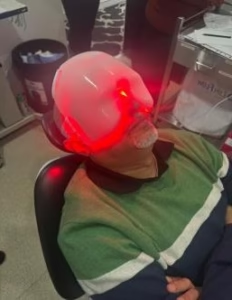
A specialized device that applies gentle heat and pressure to the eyelids to unblock meibomian glands, improving oil flow and tear quality to relieve dry eyes.
Heat mask, massage, and gland expression: A heated mask softens the oils in the meibomian glands, while massage and manual expression help unclog the glands and improve tear quality.
Morning dry eyes can be frustrating, but they don’t have to be permanent. The best way to determine the cause of your morning dry eyes is to visit our Dry Eye Clinic at Nexus Eyecare for a comprehensive eye exam. By combining simple home strategies with professional treatments, we can help reduce morning dryness, improve comfort, and support healthier, more hydrated eyes.