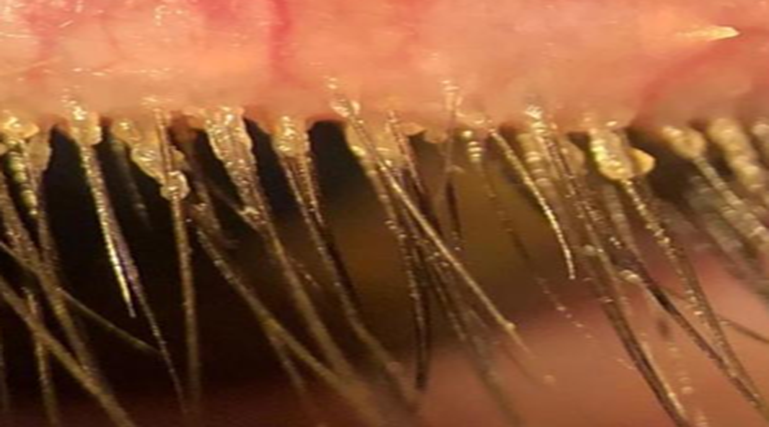
Recurrent Corneal Erosion Syndrome (RCES) is a condition where the surface layer of the cornearepeatedly breaks down. The cornea is the clear front window of the eye, and its outermost layer, the epithelium, normally adheres tightly to the underlying tissue. In corneal erosion syndrome, this attachment becomes weak, allowing the surface cells to lift or peel away.
This can lead to episodes of sudden eye pain, often occurring on waking in the morning.
What Does a Corneal Erosion Feel Like?
Many patients describe the symptoms as severe and sudden. Common symptoms include:
Sharp eye pain
A gritty or foreign body sensation
Tearing or watering
Redness
Blurred vision
Sensitivity to light
One of the classic features of recurrent corneal erosion is waking up with sudden eye pain, often because the eyelid sticks to the corneal surface overnight and pulls away some of the fragile epithelial cells when the eye opens.
What Causes Corneal Erosion Syndrome?
Several factors can weaken the attachment of the corneal surface cells.
Previous eye injury : Even a relatively minor scratch to the cornea can sometimes lead to poor healing of the surface layer. Months or even years later, the area may reopen.
Underlying corneal conditions : Certain corneal conditions make the epithelial layer less stable. One example is Epithelial Basement Membrane Dystrophy, where the cornea’s basement membrane develops irregularities.
Dry eyes : People with chronic ocular surface dryness may also be more prone to recurrent erosions.
How Is It Diagnosed?
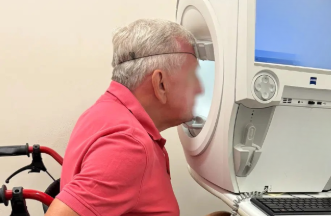
An ophthalmologist or optometrist can usually diagnose corneal erosion during an eye examination using a slit lamp microscope. Sometimes the surface defect is visible during an acute episode, while at other times subtle changes in the cornea can suggest a predisposition to erosions.
A dye called fluorescein may be used to highlight areas where the surface cells are not intact.
Treatment Options
Treatment aims to allow the corneal surface to heal and prevent future episodes.
Lubricating eye drops and ointments : Frequent artificial tears during the day and lubricating ointment at night help reduce friction between the eyelid and the cornea.
Bandage contact lenses : A soft therapeutic contact lens may be used temporarily to protect the healing cornea.
Minor surgical procedures: For persistent cases, procedures such as Phototherapeutic Keratectomy may be recommended to help the corneal surface adhere more securely.
When Should You Seek Care?
Because symptoms can mimic other eye conditions, it is important to seek prompt assessment if you experience:
Sudden severe eye pain
Sensitivity to light
Persistent tearing or redness
Blurred vision after an eye injury
Repeated episodes of morning eye pain
Early treatment can help relieve symptoms quickly and reduce the likelihood of recurrent episodes.
Although corneal erosion syndrome can be very uncomfortable, most patients improve with appropriate treatment and preventative care. Identifying the underlying cause and using the right combination of therapies can significantly reduce the frequency of episodes and protect long-term corneal health.