When it comes to eye health, we often focus on eye exams, sunglasses or reducing screen time, but what you eat matters too. Decades of research have shown that certain nutrients can help support eye health and may slow the progression of common age-related eye conditions.
What the Research Says: The AREDS & AREDS2 Studies
Two of the most important clinical trials in eye nutrition are the Age-Related Eye Disease Study (AREDS) and its follow-up AREDS2, by the U.S. National Eye Institute. These large, long-term studies looked at whether high-dose vitamins and minerals could slow the progression of age-related macular degeneration (AMD), a leading cause of vision loss in older adults.
Here’s what they found:
The original AREDS trial showed that a specific combination of antioxidant vitamins (vitamin C, vitamin E, and beta-carotene) plus zinc and copper reduced the risk of progression from intermediate to advanced AMD by about 25%, compared with placebo. It also reduced the risk of vision loss associated with AMD in the same group.
However, this formulation did not prevent AMD from developing in the first place and had no significant effect on cataract risk.
AREDS2 tested an updated formula that replaced beta-carotene with lutein and zeaxanthin (two eye-health carotenoids) and examined omega-3 fatty acids. While omega-3s didn’t show additional benefit, the lutein/zeaxanthin version maintained effectiveness and was safer (especially for people who smoke, since beta-carotene has been linked to increased lung cancer risk in smokers).
Together, these studies provide some of the strongest clinical evidence that dietary supplements designed around specific eye nutrients can slow progression of AMD in people already at risk, but they are not a cure and don’t prevent the condition from starting.
Nutrients That Support Vision
Beyond supplements, many of the nutrients studied in AREDS/AREDS2 are found naturally in foods:
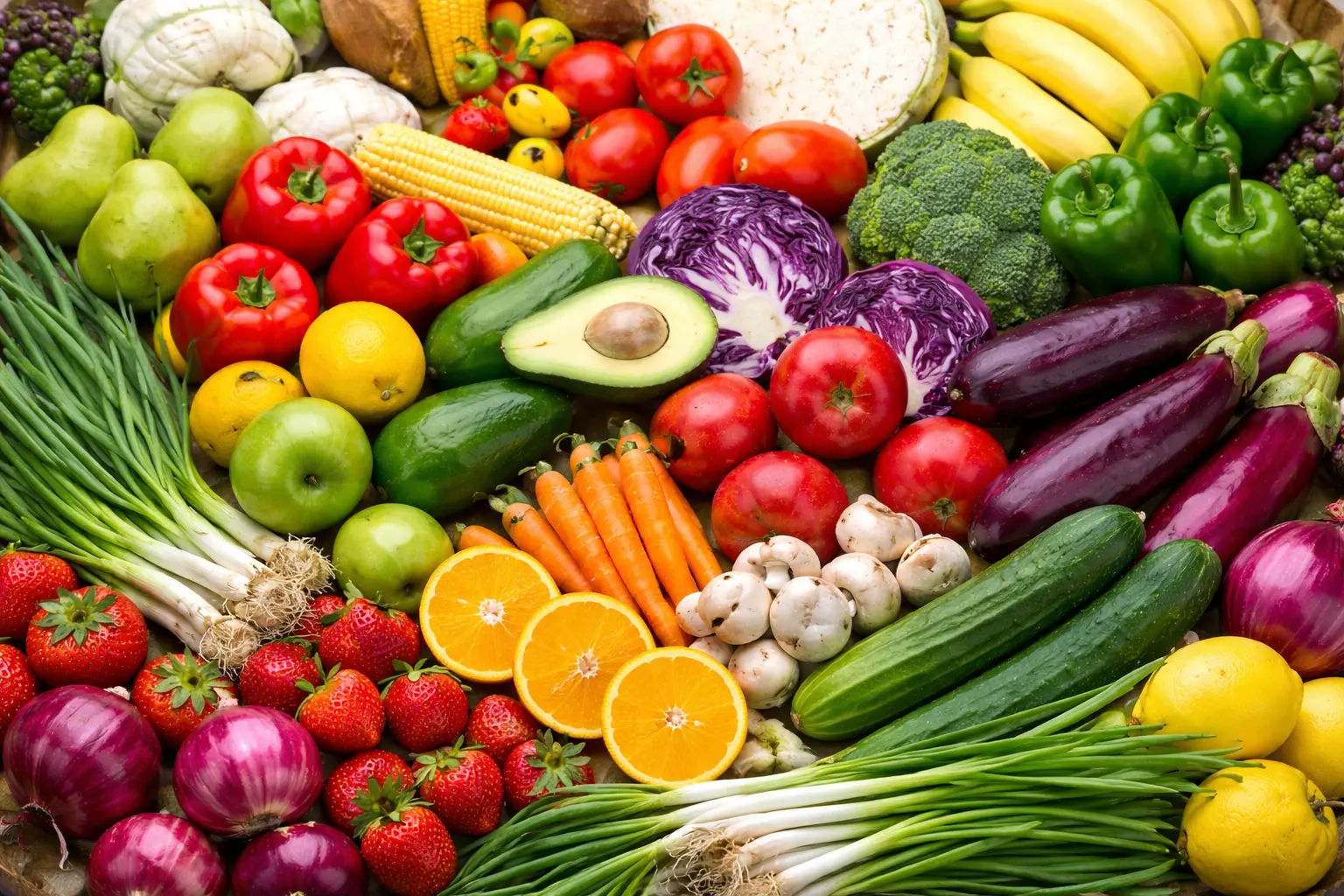
Lutein & Zeaxanthin – found in leafy greens like spinach, kale, and broccoli.
Omega-3 Fatty Acids – abundant in oily fish such as salmon and sardines.
Vitamin C & E – high in citrus fruits, berries, nuts and seeds.
Zinc – present in lean meats, legumes, nuts and seeds.
Eating a varied, nutrient-rich diet helps provide these protective compounds along with many others that support overall health.
What This Means for You
Diet matters: Getting plenty of fruit, vegetables, fish and nuts helps supply key nutrients associated with eye health.
Supplements can help, but mostly if you have risk factors: The AREDS formulas are most effective in people with intermediate AMD or worse. They are not proven to prevent AMD in people without disease.
See your eye care professional: Especially if you’re over 50, have a family history of AMD, or notice changes in your vision.
While no diet or supplement can guarantee perfect vision for life, science shows that what you eat, and the nutrients you get, does matter for eye health. Combined with regular eye exams, lifestyle habits like not smoking and maintaining a healthy weight, a nutrient-rich strategy gives your eyes the best possible support.