If you’ve been thinking about life without glasses or contact lenses, you’ve probably asked yourself: “Can I have LASIK?” The answer for many people is yes, but not everyone is a suitable candidate. The good news is that modern refractive surgery offers several options, and a comprehensive eye health assessment can determine which treatment is best for your eyes.
What is LASIK?
LASIK (Laser-Assisted In Situ Keratomileusis) is a laser vision correction procedure designed to reduce or eliminate the need for glasses or contact lenses. It works by reshaping the cornea (the clear front surface of the eye), so that light focuses more accurately on the retina. The procedure is quick, performed under local anaesthetic eye drops, and most patients notice an improvement in their vision within the first 24 hours.
Refractive Lens Exchange (RLE) for some patients, particularly those over 45–50 years of age or developing early cataracts.
The goal is always to recommend the safest and most effective option.
What Happens During a LASIK Assessment?
A refractive surgery assessment involves much more than checking your glasses prescription.
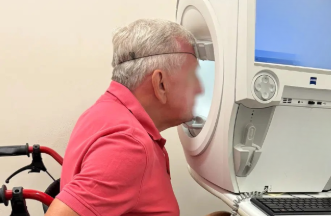
Your ophthalmologist will perform detailed testing, including:
Measuring your current prescription.
Corneal tomography (mapping the shape of your cornea).
Corneal thickness measurements.
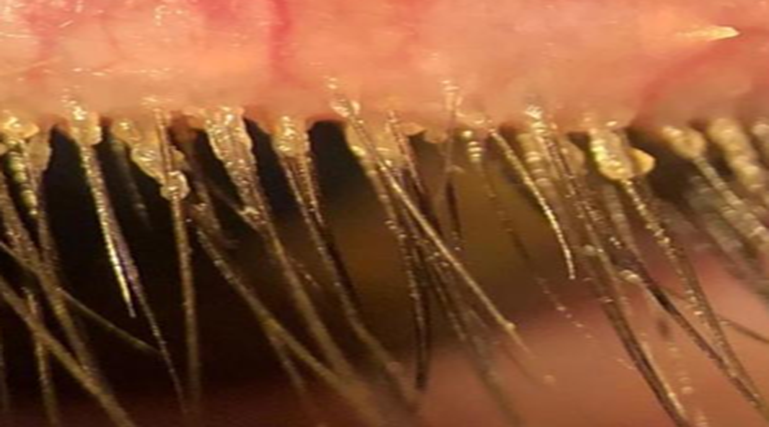
Assessment of your tear film and dry eye status.
Examination of your retina and optic nerve.
Discussion of your lifestyle, occupation and visual goals.
These tests help determine not only whether you can have LASIK, but also which procedure is likely to give you the best outcome.
Will I Have Perfect Vision?
Many patients achieve excellent vision after LASIK, with many reaching 20/20 vision or better. However, results vary depending on your prescription, eye health and individual healing.
It’s also important to remember that LASIK does not stop the natural ageing of the eye. Most people will still develop presbyopia (the need for reading glasses) in their 40s and 50s, even if they previously had successful LASIK.
Is LASIK Safe?
Like any surgical procedure, LASIK carries risks and the potential for side effects; however, these are uncommon, particularly when patients undergo a comprehensive pre-operative eye health assessment. This assessment allows your ophthalmologist to determine whether LASIK is the most appropriate option or if another refractive procedure would better suit your eyes.
By selecting the most appropriate refractive procedure for each patient, your ophthalmologist can optimise visual outcomes while minimising the likelihood of unwanted side effects. Careful patient selection is key to achieving the safest and most effective result.
Can I Have LASIK?
If you’re wondering whether you’re a candidate for LASIK, the first step is a comprehensive refractive assessment. Many people who have worn glasses or contact lenses for years are suitable for laser vision correction, while others may benefit from alternative procedures that are better suited to their eyes. The most important part of the process isn’t finding out whether you can have LASIK, it’s finding the vision correction option that’s safest and most appropriate for you. If you’re interested in reducing your dependence on glasses or contact lenses, speak with your ophthalmologist about a refractive surgery assessment to explore your options.